Homemade Croissants Step By Step
Highlighted under: Dessert Magic
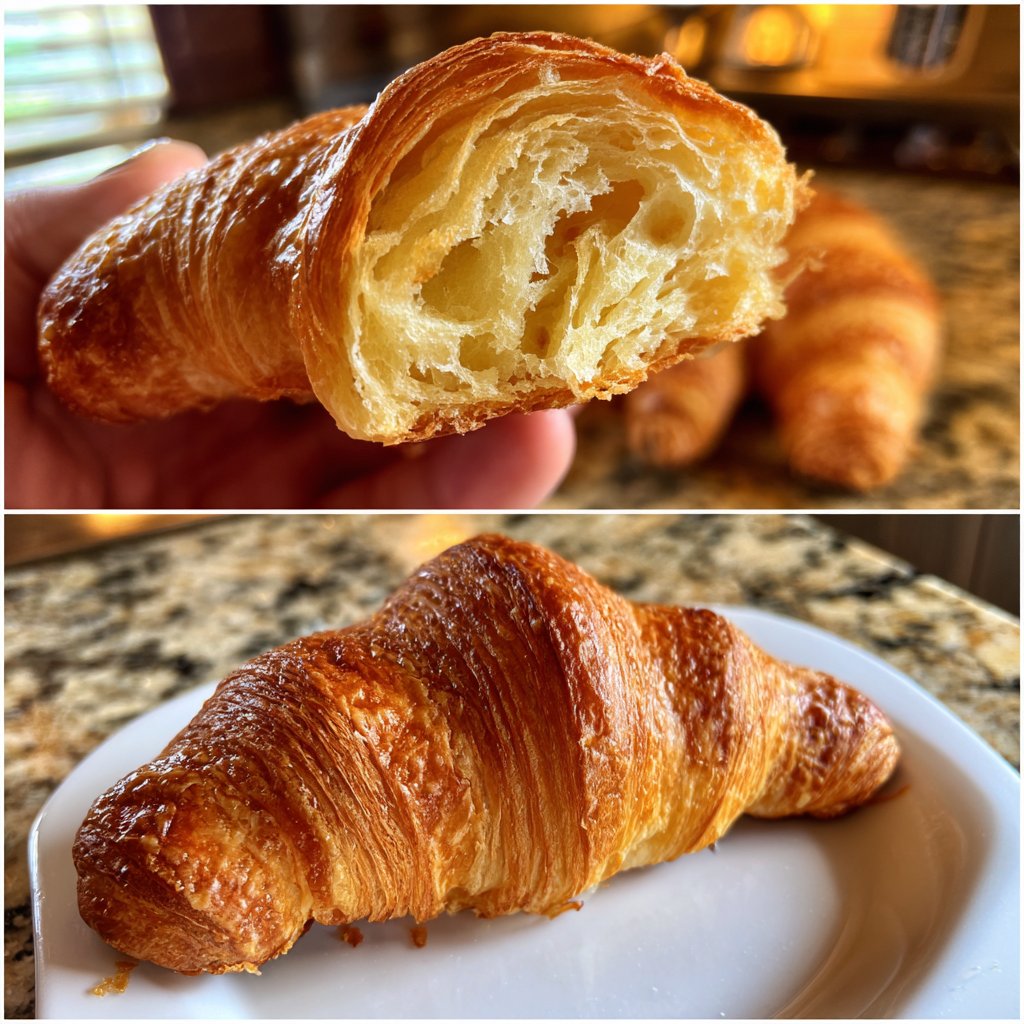
I’ve always been fascinated by the flaky, buttery layers of homemade croissants. Over the years, I’ve perfected my method to create these delicious pastries right from scratch. The enchanting aroma that fills my kitchen as they bake is enough to make anyone's mouth water. With a little patience and practice, you can master the art of croissant making too! I’m excited to share my tips and tricks, ensuring your croissants turn out golden, flaky, and utterly irresistible.
Each time I make croissants, I am reminded of the joy in creating something both simple and sophisticated. The key to flaky layers lies in the lamination process—rolling and folding butter between layers of dough. It took me several attempts to get the timing and technique right, but once I did, the results were nothing short of magical. Freshly baked croissants fill my home with warmth and elation.
I discovered that resting the dough is just as important as the folding technique. Allowing the dough to chill not only makes it easier to handle but also prevents the butter from melting too quickly, resulting in those gorgeous airy layers. With each bite, I’m transported to a quaint Parisian café. You’ll absolutely love making these!

Why You Will Love This Recipe
- The satisfying process of making your own dough from scratch
- Flaky, buttery layers that simply melt in your mouth
- Perfectly customizable with sweet or savory fillings
Understanding the Lamination Process
Lamination is the key technique that gives croissants their iconic flaky texture. During this process, cold butter is encased in dough, which is then rolled and folded multiple times. This incorporates layers of butter within the dough. Each fold creates hundreds of layers that expand in the oven, resulting in a light and airy pastry. It's crucial to keep your butter cold to prevent it from melting into the dough, which would hinder the separation of layers.
When you're rolling the dough, aim for a consistent thickness of about 1/4 inch. If the dough becomes too warm and starts to stick, you can refrigerate it briefly. This helps maintain the temperature of the butter, ensuring it doesn't incorporate into the dough prematurely. The final texture should feel pliable but firm, not tacky, allowing for the perfect rise during baking.
Choosing Ingredients Wisely
The choice of butter is paramount in croissant making. I recommend using high-fat unsalted butter, as it contains approximately 80% fat, which is ideal for achieving that super flaky texture and rich flavor. Some bakers prefer French butter, which has a higher fat content and adds a creamy depth to the croissants. If you're dairy-free, consider using a plant-based butter that maintains a similar fat profile for best results.
All-purpose flour works well for croissants, but you can use bread flour if you prefer a slightly chewier texture due to its higher protein content. Another great tip is to sift your flour; this aerates it and removes lumps, ensuring a smoother dough. Remember, the quality of the ingredients directly affects the flavor and texture of the final product, so choose wisely!
Storage and Reheating Tips
After baking, allow your croissants to cool completely on a wire rack before storing them. They can be kept at room temperature in an airtight container for up to two days; however, for longer storage, consider freezing them. Once completely cooled, place them in a freezer-safe bag, removing as much air as possible. Frozen croissants can last up to a month, and when you're ready to enjoy them, simply reheat in the oven at 350°F (175°C) for about 10-15 minutes until warmed through and crisp.
If you're planning to make a large batch, consider par-baking your croissants. Shape and proof them, then bake at a lower temperature (around 325°F or 160°C) for about halfway through the baking time. Let them cool, then freeze. When you’re ready, finish baking them directly from the freezer, adding extra time as necessary. This method gives you freshly baked croissants whenever the craving strikes!
Ingredients
Ingredients
Dough Ingredients
- 4 cups all-purpose flour
- 3/4 cup cold water
- 1/2 cup milk
- 1/4 cup granulated sugar
- 1 tablespoon salt
- 2 1/4 teaspoons active dry yeast
- 1 cup unsalted butter (cold)
For Egg Wash
- 1 large egg
- 1 tablespoon water
Instructions
Instructions
Preparation Steps
Prepare the Dough
In a bowl, combine flour, sugar, and salt. In another small bowl, dissolve yeast in warm milk. Mix wet and dry ingredients, then gradually add cold water. Knead until a smooth dough forms. Cover and let it rest for 30 minutes.
Laminate the Dough
Roll the dough into a rectangle. Place cold butter in the center, fold the sides over, and seal. Roll again into a larger rectangle and perform a series of folds. Repeat this step two more times, chilling between folds.
Shape the Croissants
Roll the dough into a thin rectangle, and cut into triangles. Roll each triangle starting from the base towards the tip, forming a crescent shape. Place on a baking sheet lined with parchment paper.
Proof and Bake
Let the shaped croissants proof for about 1 hour until doubled in size. Preheat the oven to 400°F (200°C). Brush with egg wash and bake for 18-25 minutes until golden brown.
Enjoy!
Pro Tips
- For the best results, use high-quality butter and ensure your ingredients are cold. Make sure to let the dough rest well between folds to achieve those beautiful layers. Serve warm for the best experience!
Common Troubleshooting
If your croissants aren’t rising as expected, it could be due to too much warmth during the lamination process. Keep an eye on the dough temperature; if it's too warm, it can affect yeast activity. Additionally, ensure your yeast is active. If using dry yeast, proof it in warm milk before adding it to the dough to confirm it's still viable.
Another common issue is that the croissants may not be flaky enough. This can result from overworking the dough or letting it warm up too much during the lamination process. If you notice the butter melting between layers rather than creating distinct pockets, stop working the dough to refreeze it if necessary.
Serving Suggestions
Croissants can be enjoyed on their own or filled with various sweet or savory fillings. For a simple yet indulgent option, spread a layer of chocolate hazelnut spread or homemade jam inside your freshly baked croissants for a delightful breakfast treat. Alternatively, for a savory twist, try adding ham and cheese before rolling them up for a decadent brunch option.
Serving croissants with a side of freshly brewed coffee or tea creates a perfect pairing. For a more festive occasion, consider dusting them lightly with powdered sugar or serving with whipped cream and seasonal fruits. They also make an elegant addition to a brunch spread alongside quiche and fresh fruit for an impressive display.
Questions About Recipes
→ Can I freeze the uncooked croissants?
Yes, you can freeze them after shaping. Just place them on a tray to freeze individually before transferring to a freezer bag.
→ How can I tell when the croissants are done baking?
Croissants are done when they are golden brown and have a crispy exterior. Additionally, they should sound hollow when tapped on the bottom.
→ What type of flour is best for making croissants?
All-purpose flour works well, but using bread flour can give you a chewier texture due to its higher protein content.
→ Can I use margarine instead of butter?
While you can use margarine, it won't give the same flaky texture and rich flavor as butter. It's best to stick with unsalted butter for authentic croissants.
Homemade Croissants Step By Step
Created by: Harriet Mason
Recipe Type: Dessert Magic
Skill Level: Intermediate
Final Quantity: 12 croissants
What You'll Need
Dough Ingredients
- 4 cups all-purpose flour
- 3/4 cup cold water
- 1/2 cup milk
- 1/4 cup granulated sugar
- 1 tablespoon salt
- 2 1/4 teaspoons active dry yeast
- 1 cup unsalted butter (cold)
For Egg Wash
- 1 large egg
- 1 tablespoon water
How-To Steps
In a bowl, combine flour, sugar, and salt. In another small bowl, dissolve yeast in warm milk. Mix wet and dry ingredients, then gradually add cold water. Knead until a smooth dough forms. Cover and let it rest for 30 minutes.
Roll the dough into a rectangle. Place cold butter in the center, fold the sides over, and seal. Roll again into a larger rectangle and perform a series of folds. Repeat this step two more times, chilling between folds.
Roll the dough into a thin rectangle, and cut into triangles. Roll each triangle starting from the base towards the tip, forming a crescent shape. Place on a baking sheet lined with parchment paper.
Let the shaped croissants proof for about 1 hour until doubled in size. Preheat the oven to 400°F (200°C). Brush with egg wash and bake for 18-25 minutes until golden brown.
Extra Tips
- For the best results, use high-quality butter and ensure your ingredients are cold. Make sure to let the dough rest well between folds to achieve those beautiful layers. Serve warm for the best experience!
Nutritional Breakdown (Per Serving)
- Calories: 260 kcal
- Total Fat: 15g
- Saturated Fat: 9g
- Cholesterol: 40mg
- Sodium: 230mg
- Total Carbohydrates: 26g
- Dietary Fiber: 1g
- Sugars: 1g
- Protein: 5g