Vanilla Cake With Butter Frosting
Highlighted under: Dessert Magic
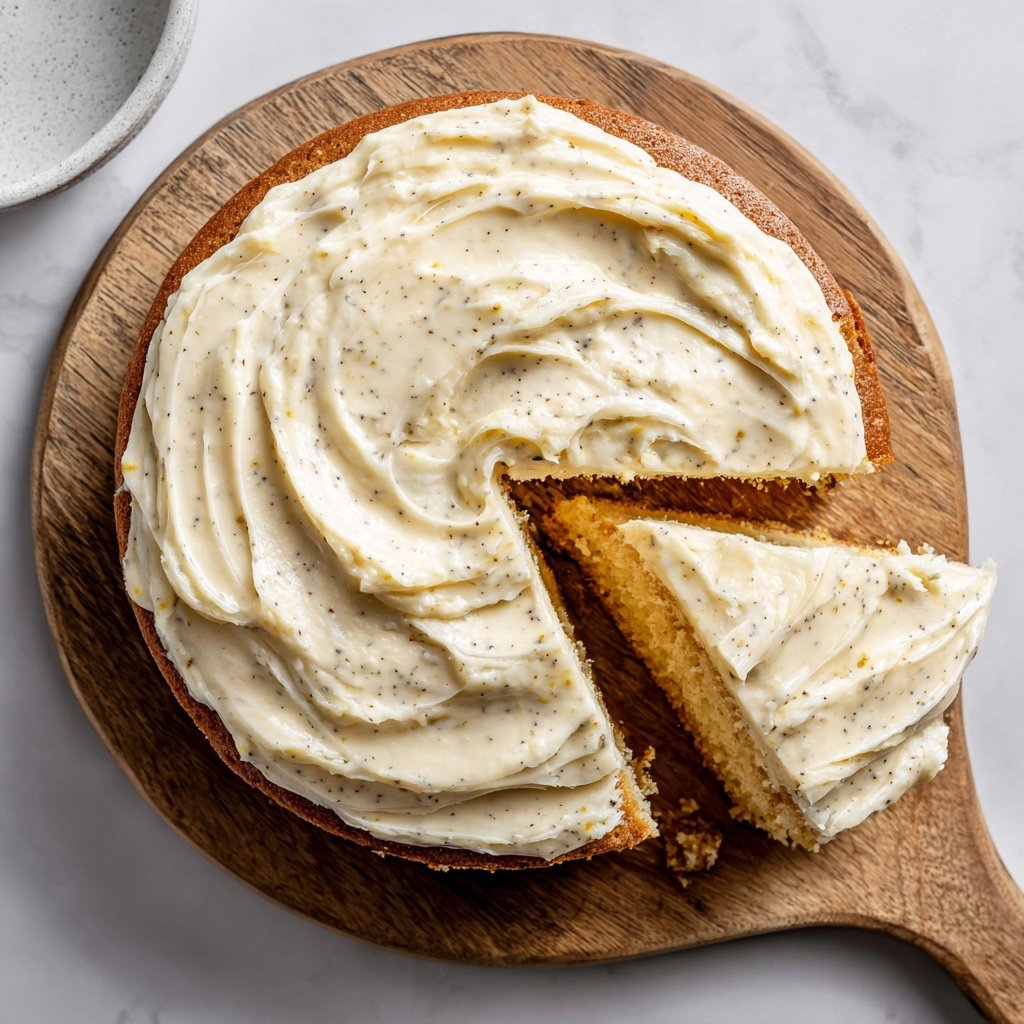
I absolutely love making this Vanilla Cake with Butter Frosting! It’s my go-to dessert for any occasion, from birthdays to family gatherings. The balance between the light, fluffy vanilla cake and the rich, creamy butter frosting creates a delightful treat that everyone enjoys. Each slice is truly a celebration of flavors, and I can’t resist sneaking a piece—it’s that good! This recipe is simple yet gratifying, guaranteeing that each bite will bring smiles all around.
When I first baked this Vanilla Cake with Butter Frosting, I was surprised at how simple the process was. Using quality ingredients like fresh vanilla extract really elevates the flavor, making it more than just a basic cake. Each step from creaming the butter and sugar to mixing in the eggs feels crucial, but it’s the beating of the batter that ensures a fluffy texture.
One of my favorite tips is to let the cake cool completely before frosting. This prevents the butter frosting from melting and results in a beautifully layered cake. I’ve experimented with various flavors, and while chocolate is delicious, nothing beats the classic vanilla!
Why You'll Love This Recipe
- Classic vanilla flavor that appeals to everyone
- Lusciously creamy butter frosting that enhances every bite
- Perfectly light and fluffy cake texture is irresistible
Understanding the Ingredients
The key to a successful vanilla cake lies in the quality of your ingredients. Using high-quality vanilla extract enhances the cake’s flavor profile remarkably. While many may opt for imitation vanilla for convenience, pure vanilla extract provides a more complex aroma and taste that makes the cake truly special. If you have vanilla bean pods on hand, consider scraping the seeds into the batter for an even richer flavor and speckled appearance.
Butter plays a critical role in this recipe, lending both flavor and texture. Make sure to use unsalted butter so you can control the salt content better. When creaming the butter and sugar, aim for a pale, fluffy mixture—a sign that you’re incorporating air, which contributes to the lightness of the cake. Overmixing at this stage can lead to a dense final product, so mix just until combined with the eggs and other wet ingredients.
Frosting for Success
The butter frosting adds a decadent finish to your cake. It's important to beat the softened butter until creamy and pale before gradually adding powdered sugar. This technique not only helps to achieve a smooth texture but also prevents graininess in the frosting. If your frosting feels too thick, add a teaspoon of milk at a time until you reach your desired consistency. Conversely, if it's too runny, incorporate more powdered sugar gradually.
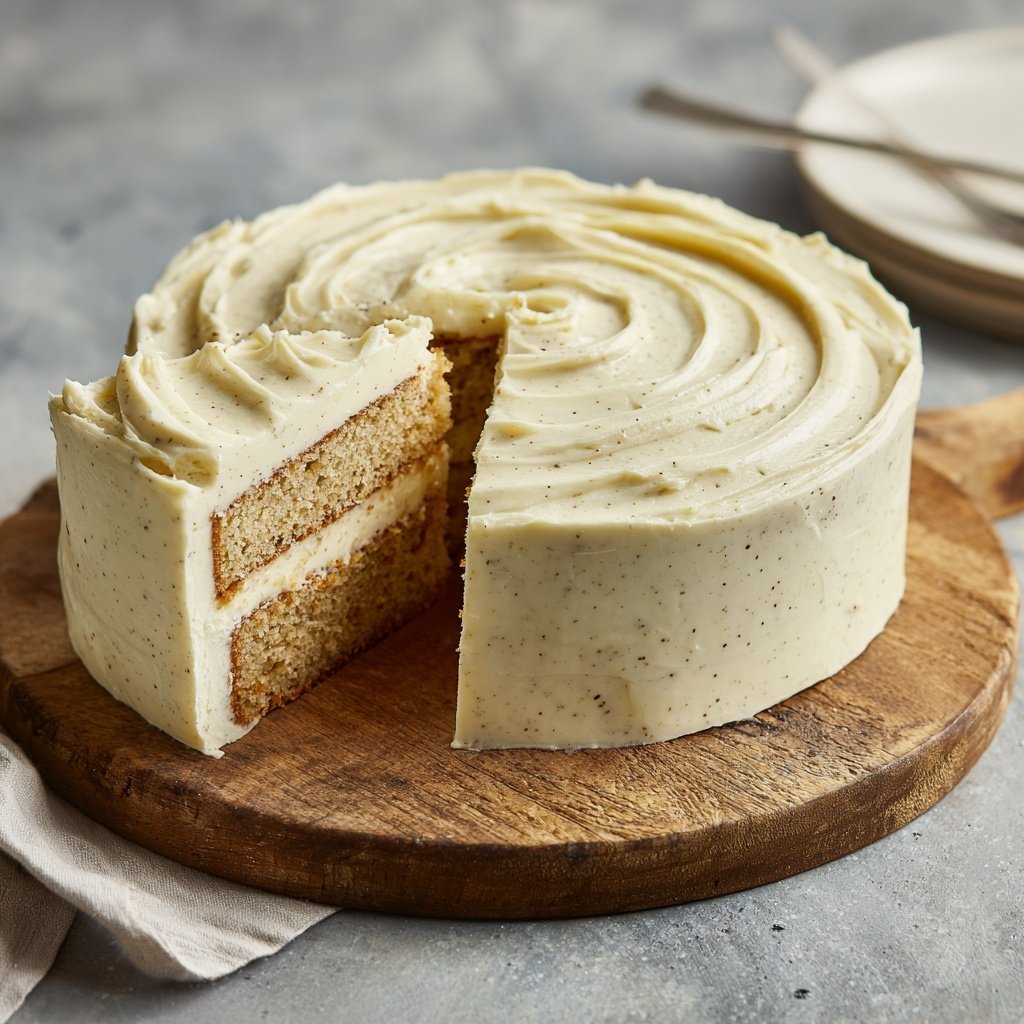
When layering the cake with frosting, use an offset spatula for smooth application. Start with a thin layer between the cake layers—this acts as a glue to hold them together. After the initial layer, you can go a bit thicker on the sides and top. For a decorative touch, consider adding sprinkles or fresh fruit on top once frosted. Not only does this make the cake visually appealing, but it also adds an extra burst of flavor.
Ingredients
Ingredients:
For the Cake:
- 2 cups all-purpose flour
- 1 ½ cups granulated sugar
- ½ cup unsalted butter, softened
- 1 cup milk
- 3 ½ teaspoons baking powder
- 1 teaspoon vanilla extract
- ½ teaspoon salt
- 3 large eggs
For the Butter Frosting:
- 1 cup unsalted butter, softened
- 4 cups powdered sugar
- ¼ cup milk
- 2 teaspoons vanilla extract
Instructions
Instructions:
Preheat the Oven
Preheat your oven to 350°F (175°C). Grease and flour two 9-inch round cake pans.
Prepare the Batter
In a large bowl, cream together the butter and sugar until light and fluffy. Beat in the eggs one at a time, then stir in the vanilla extract.
Mix Dry Ingredients
In another bowl, combine the flour, baking powder, and salt.
Combine Mixtures
Gradually add the dry mixture to the creamed mixture, alternating with milk. Mix until just combined.
Bake the Cake
Divide the batter evenly between the prepared pans and bake for 30 minutes, or until a toothpick inserted in the center comes out clean.
Cool the Cakes
Once baked, let the cakes cool in the pans for about 10 minutes before transferring to wire racks to cool completely.
Make the Frosting
In a large bowl, beat the softened butter until creamy. Gradually add powdered sugar and milk, mixing until smooth. Stir in the vanilla extract.
Frost the Cake
Once the cakes are completely cool, spread the butter frosting between the layers and on the top and sides of the cake.
Pro Tips
- For added flavor, consider incorporating lemon zest or almond extract into the frosting. This cake can also be layered with fresh fruits such as strawberries or raspberries for a delicious twist.
Make-Ahead Tips
This vanilla cake can be made ahead of time, making it a great choice for parties and special gatherings. You can prepare and bake the cake layers a day in advance; just ensure they are completely cool before wrapping them in plastic wrap. This helps maintain moisture. They store well at room temperature for a day or in the refrigerator for up to three days.
If you're planning to frost the cake later, consider storing the unfrosted layers in an airtight container. Frosting can also be made ahead and stored in the refrigerator; just allow it to come to room temperature before using, then re-whip it for that desired creamy texture.
Common Troubleshooting
If your cake layers dome while baking, it’s likely due to the oven being too hot. Consider using an oven thermometer to ensure accurate temperature. A flat layer means a more attractive cake for frosting. If the cake is dense, it may be due to overmixing or measuring the flour incorrectly—too much flour can make it heavy. For an airy cake, spoon the flour into your measuring cup and level it off with a knife rather than scooping directly from the bag.
Should you encounter a situation where your butter frosting is too soft and sliding off the cake, chill the entire frosted cake in the refrigerator for about 15-30 minutes. This firms up the frosting, making it easier to manage. Alternatively, you can add more powdered sugar to thicken it up, but do so gradually to maintain balance in sweetness.
Questions About Recipes
→ Can I make this cake gluten-free?
Yes, you can substitute the all-purpose flour with a gluten-free flour blend.
→ How should I store leftover cake?
Store in an airtight container at room temperature for up to 3 days, or refrigerate for longer freshness.
→ Can I use another type of frosting?
Absolutely! Cream cheese frosting or chocolate ganache would work beautifully as well.
→ What can I use instead of eggs?
You can use flax eggs or unsweetened applesauce as a substitute for eggs.
Vanilla Cake With Butter Frosting
Created by: Harriet Mason
Recipe Type: Dessert Magic
Skill Level: Beginner
Final Quantity: 8 servings
What You'll Need
For the Cake:
- 2 cups all-purpose flour
- 1 ½ cups granulated sugar
- ½ cup unsalted butter, softened
- 1 cup milk
- 3 ½ teaspoons baking powder
- 1 teaspoon vanilla extract
- ½ teaspoon salt
- 3 large eggs
For the Butter Frosting:
- 1 cup unsalted butter, softened
- 4 cups powdered sugar
- ¼ cup milk
- 2 teaspoons vanilla extract
How-To Steps
Preheat your oven to 350°F (175°C). Grease and flour two 9-inch round cake pans.
In a large bowl, cream together the butter and sugar until light and fluffy. Beat in the eggs one at a time, then stir in the vanilla extract.
In another bowl, combine the flour, baking powder, and salt.
Gradually add the dry mixture to the creamed mixture, alternating with milk. Mix until just combined.
Divide the batter evenly between the prepared pans and bake for 30 minutes, or until a toothpick inserted in the center comes out clean.
Once baked, let the cakes cool in the pans for about 10 minutes before transferring to wire racks to cool completely.
In a large bowl, beat the softened butter until creamy. Gradually add powdered sugar and milk, mixing until smooth. Stir in the vanilla extract.
Once the cakes are completely cool, spread the butter frosting between the layers and on the top and sides of the cake.
Extra Tips
- For added flavor, consider incorporating lemon zest or almond extract into the frosting. This cake can also be layered with fresh fruits such as strawberries or raspberries for a delicious twist.
Nutritional Breakdown (Per Serving)
- Calories: 380 kcal
- Total Fat: 26g
- Saturated Fat: 15g
- Cholesterol: 195mg
- Sodium: 85mg
- Total Carbohydrates: 32g
- Dietary Fiber: 3g
- Sugars: 24g
- Protein: 6g